











We help clients make informed decisions on product improvements with enhanced reliability and safety.
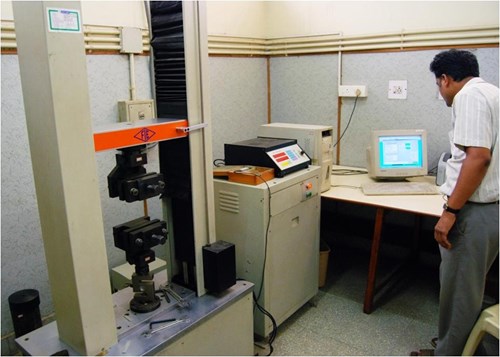
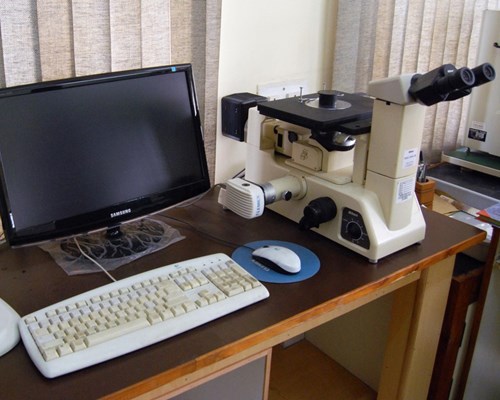
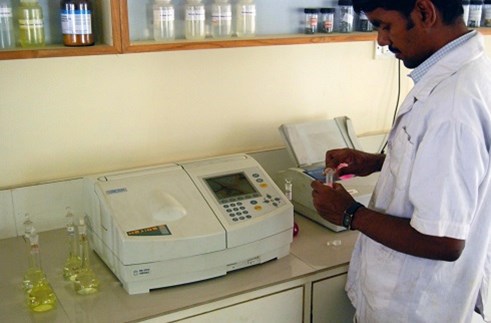
Our failure analysts have a strong metallurgical background, and our fully equipped laboratory—with state-of-the-art microscopy and metallurgical testing—provides a one-stop solution for evidence collection, testing, and engineering conclusions.
How we work (end-to-end workflow)
- Define the brief — application, service history, standards, acceptance criteria.
- Evidence collection — as-received inspection, photography, witness statements, operating data.
- Non-destructive screening — visual, dimensional, NDT (UT/RT/MT/PT as applicable).
- Fractography & microscopy — macro/micro examination of fracture features, crack origin, propagation mode.
- Metallography — microstructure, grain size, inclusions, case/decarb, weld/HAZ condition, delta-ferrite/sensitization (as relevant).
- Chemistry & materials checks — PMI/OES, wet chemistry, contaminants/coating checks.
- Mechanical evidence — hardness/microhardness profiles, tensile/impact where representative; replication if needed.
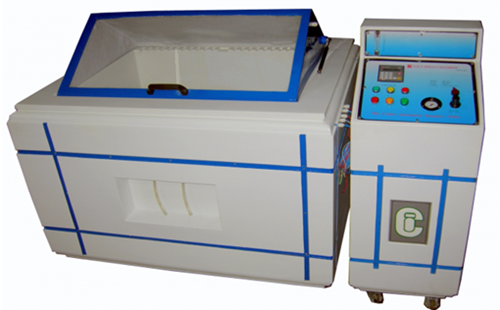
- Corrosion assessment — IGA/IGC, pitting/crevice, environment review; salt/humidity tests where applicable.
- Stress/fitment review — loads, misalignment, residual stress, assembly tolerances; compare to design/code.
- Root-cause conclusion (RCA) — tie evidence to mechanisms (overload, fatigue, SCC, wear/erosion, hydrogen damage, embrittlement, improper heat treatment, material non-conformance, etc.).
- Corrective & preventive actions (CAPA) — material/process changes, design tweaks, inspection intervals, environment control, coatings, workmanship/training.
Industries We Serve
No Industry found.
Contact Us for this service.
Contact Number
+91 8879427273
Email ID
Industrial_services@irclass.org